A market that imports what it could grow.
Namibia imports a large share of the fresh produce its people and businesses consume, from staple vegetables to fruit. Every imported pallet is demand that a properly watered, properly run Namibian farm could serve, with freshness, food security and jobs as the dividend. That gap is the reason PSA exists.
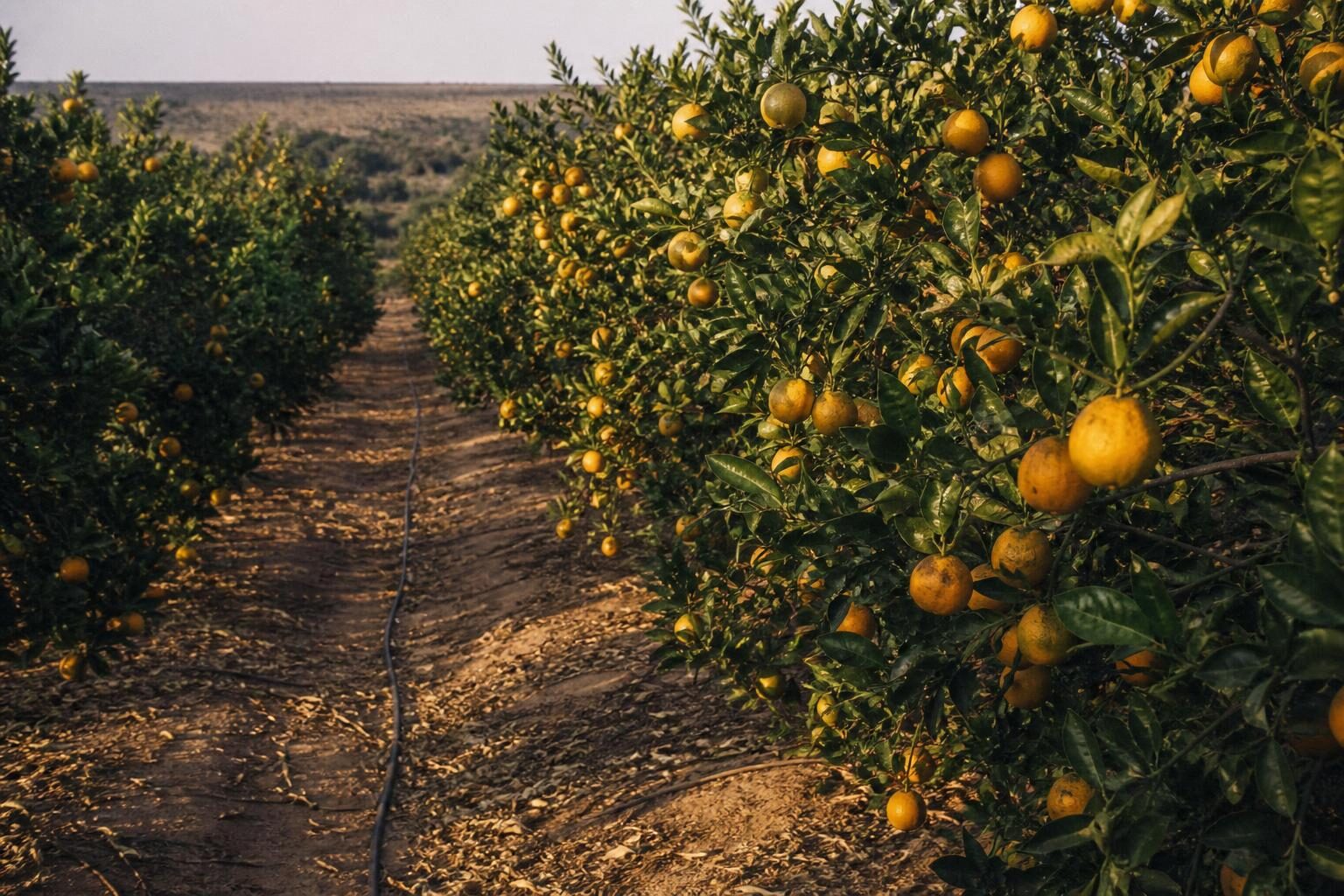
Import substitution is national policy, and offtake structures under the national horticulture framework favour local production. At the same time, the country's north east holds genuinely exceptional farming conditions by regional standards: perennial water, high rainfall, deep soils and a frost free winter that allows two cropping cycles a year under irrigation.
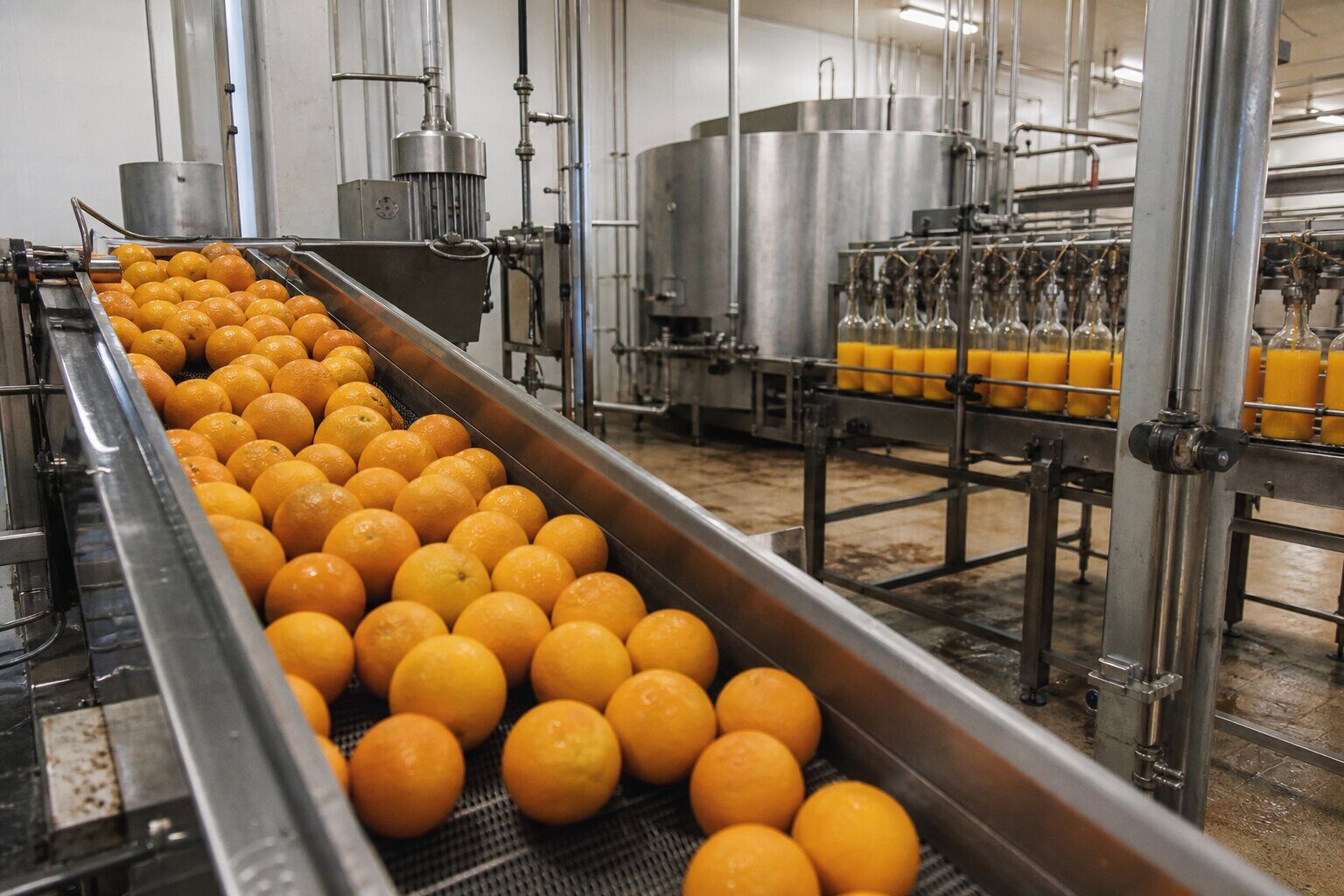
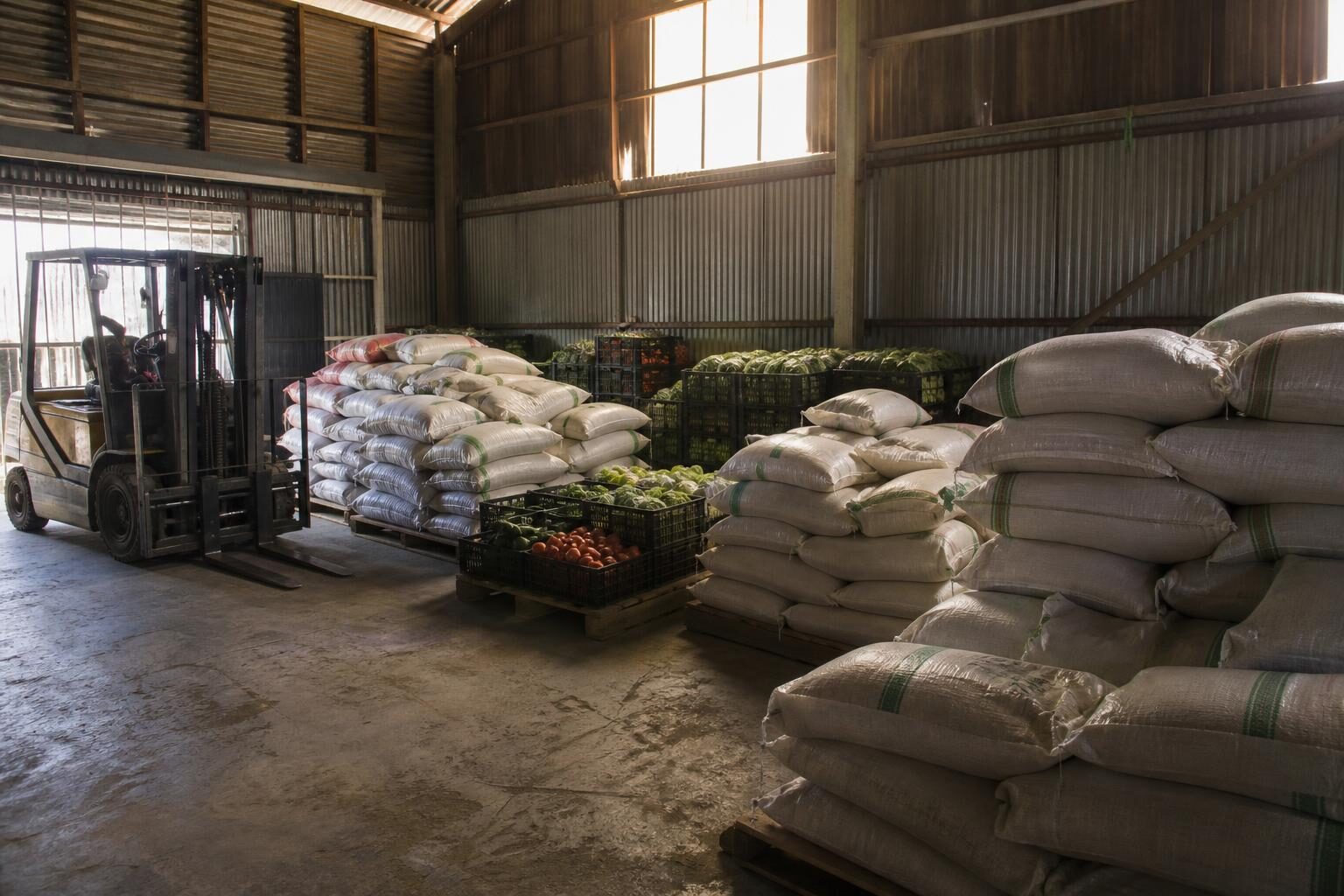
PSA is built to close that gap deliberately, as a producer and operator that owns the chain from land and water through production, processing and logistics to the buyer.
The opportunity in short
- National demand met today by imports
- Policy support for local production and offtake
- Water secure land in the north east
- Frost free winters, double cropping under irrigation
- Regional supply and demand gaps in selected crops