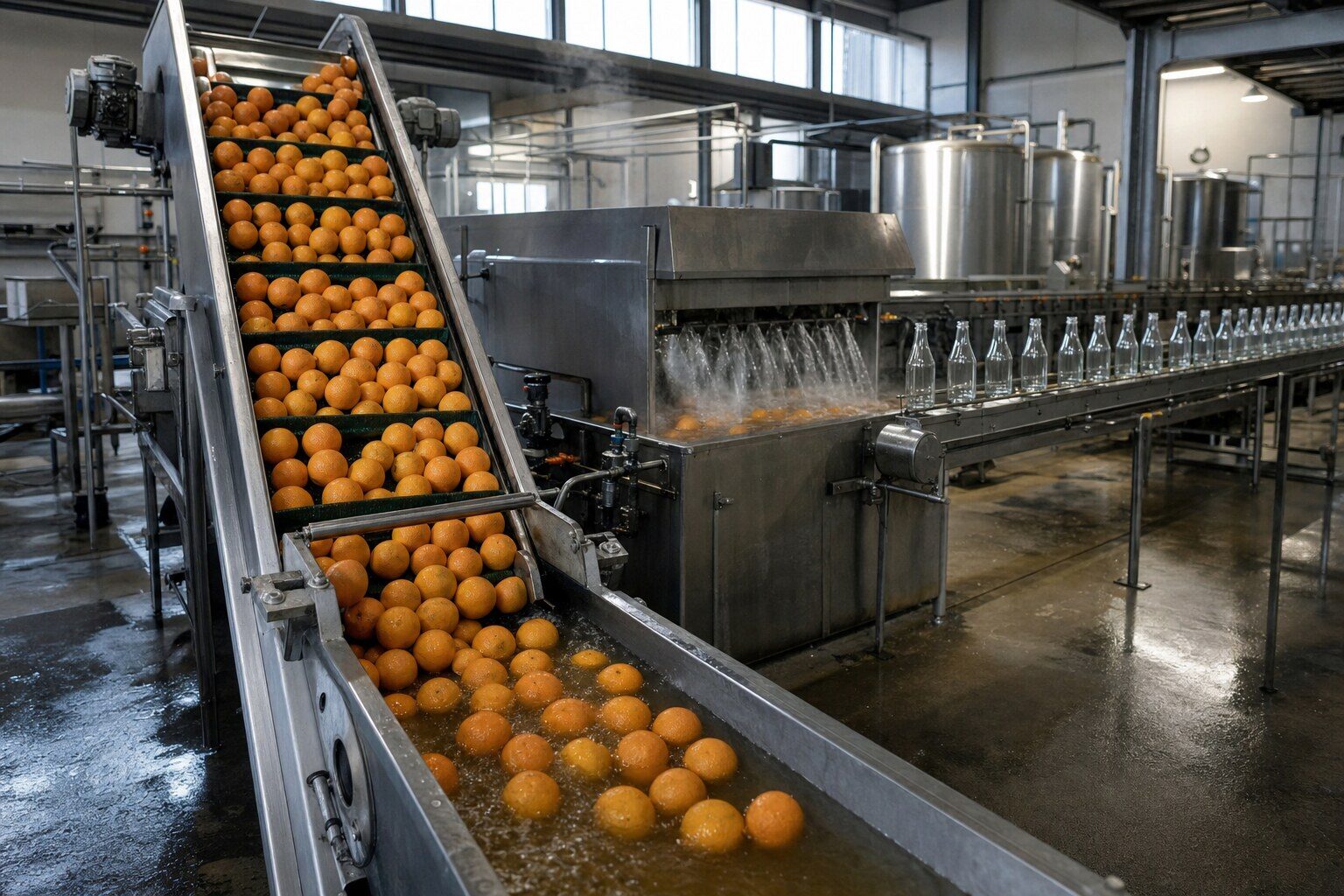
Most agricultural counterparties hold one link of the chain. PSA is built to hold the whole of it. That is the difference a partner feels: one company answerable for the land, the water, the crop, the pack line and the delivery, with nothing lost in the handovers between them.
Producer and operator, not a trader. PSA controls production, value addition and the route to market as a single managed chain, so quality and accountability never change hands.
The Peak Strategic group brings an established record of supplying government and institutional clients in Namibia. PSA applies that same discipline to agriculture: engineered properly, operated professionally, measured commercially.
Operations and pipeline are anchored where Namibia's perennial water, deep soils and frost free winters allow two crops a year under irrigation, farming at export standard by design.
PSA operates across nine registered activity lines that collectively span the full agricultural value chain, from land development and irrigated crop and livestock production through processing and logistics to distribution and export facilitation. The lines are organised into three pillars: production, value chain, and markets and advisory.
The development pipeline is anchored in the Zambezi region, Namibia's most water secure farming environment, with citrus, field crops, lucerne and livestock as the priority production lines and a citrus juice factory planned under agro-processing.
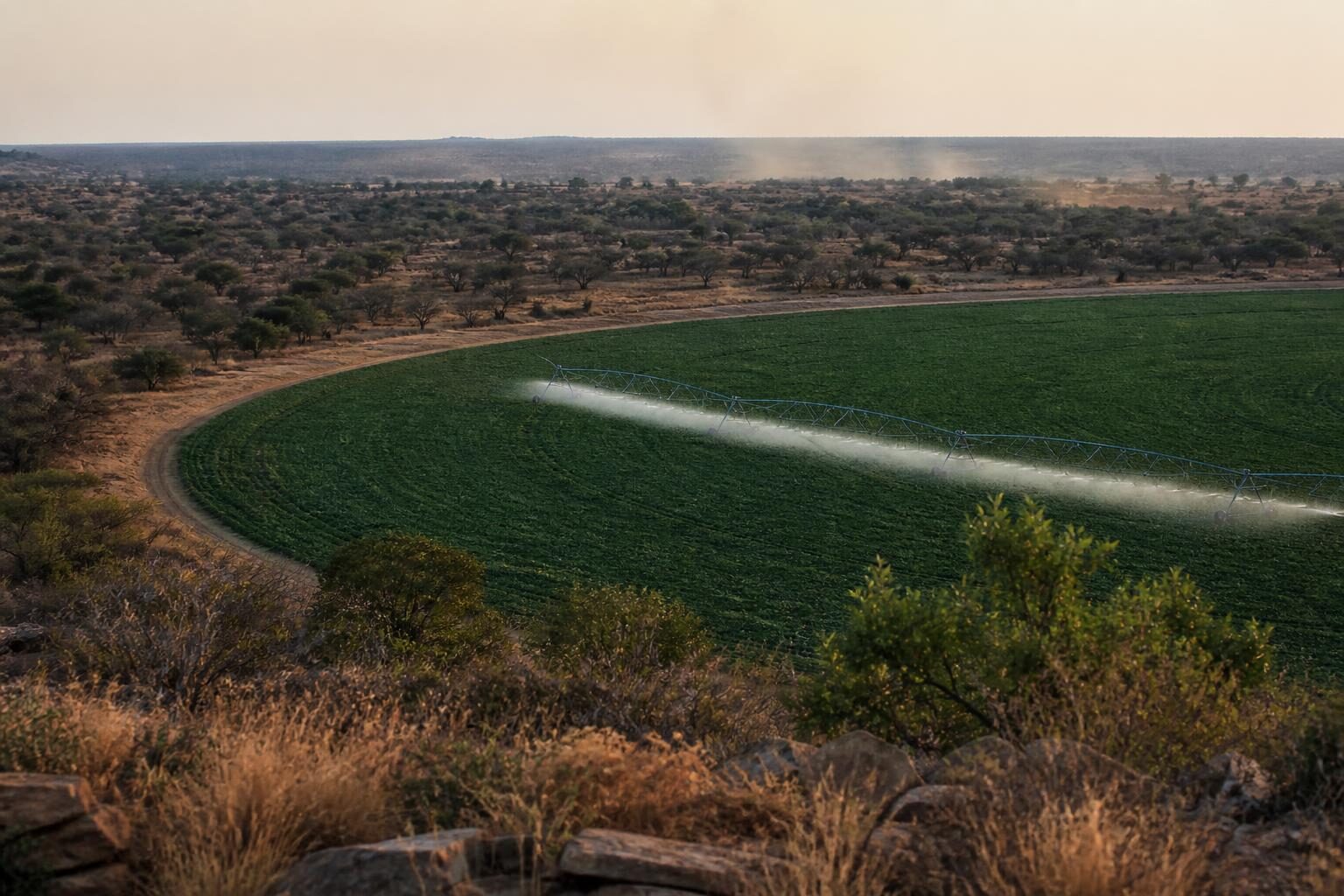
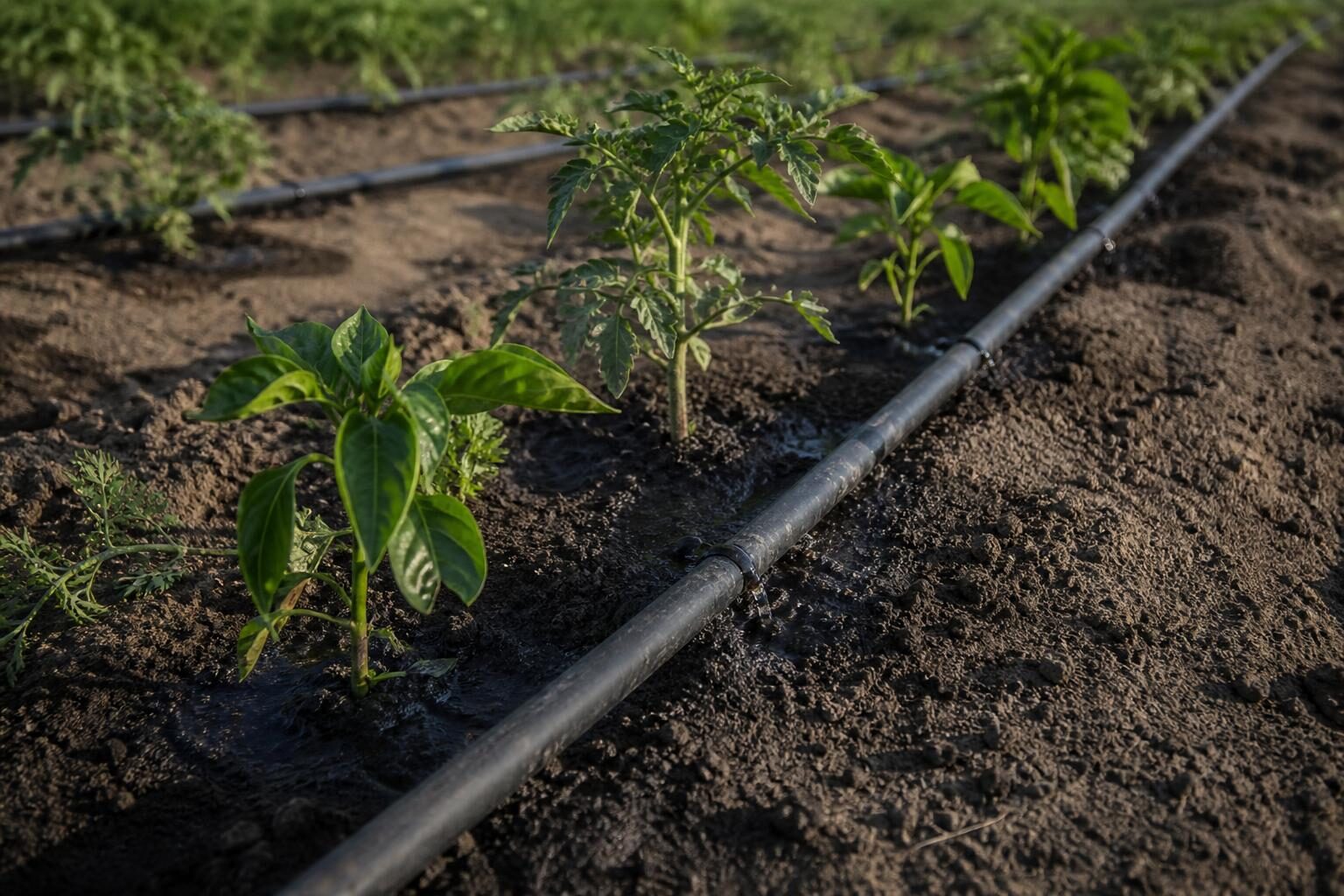
In a semi-arid country, irrigation is not a support service. It is the difference between farming and hoping. PSA's registered activities include drip irrigation design and commissioning for agricultural projects.
Our approach starts with water rights, hydrology and soils before a single pipe is ordered. Systems are engineered for the crop and the water source, commissioned against measured delivery rates, and handed over with fertigation schedules and operator training.
In Namibia's water secure north east, irrigation unlocks two crops a year from the same land.


Two disciplines bracket every good season: land prepared properly before the first crop, and harvests handled properly after the last pick.
Harvest programmes run to grade standards, with traceability from block to bin and quality proven at the pack line. Picking, field handling and intake are planned with the buyer specification in mind, so what leaves the farm is already market ready.
Clearing, ripping, fencing and farm roads, preparing land properly before the first season, not during it. Good development is the cheapest yield improvement a farm ever buys.
Water stewardship. Measured abstraction within permitted rights, high efficiency drip and pivot systems, scheduling driven by crop need rather than habit, and honest metering. In our business, wasted water is wasted money and wasted licence to operate.
Jobs where food grows. Irrigated agriculture is one of the strongest creators of permanent and seasonal rural employment. PSA projects are designed to hire, train and promote from the regions where they operate, with skills transfer from experienced agricultural managers to Namibian understudies included in project staffing plans.
Community participation. We structure projects so that neighbouring communities and smallholders participate: through employment, through offtake and outgrower arrangements where schemes allow, and through honest engagement with traditional authorities and regional leadership.
Environmental compliance. Environmental assessment and clearance run ahead of development, not behind it, and management plans are operated as living documents.

Quality is set at the start of the chain and proven at the end of it. PSA operates to the standards demanded by the most exacting buyer we intend to serve, and lets every other market benefit.